Why love stories deserve more respect than they get.
“Romance novels used to be books you might hide in your bedside drawer,” author Beth O’Leary once said, “but these days, young people are proud readers.”
And thank goodness for that.
For decades, romance was the genre readers were told to apologise for — tucked behind “real literature,” dismissed as fluff, or patronisingly labelled “women’s fiction.” But something has shifted. The pastel covers, the annotated copies, the BookTok sob reels — they’ve all helped to bring the romance genre out into the open.
And it turns out, love was never the problem. The problem was how we talked about it.
💖 The State of Romance, 2025
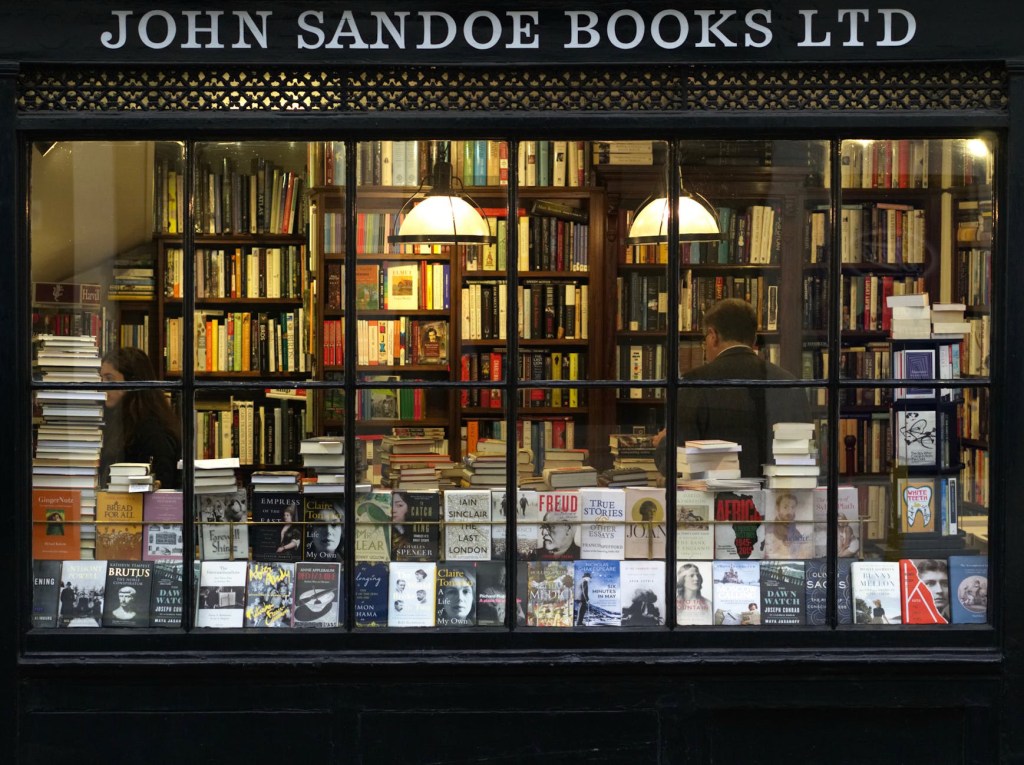
Romance is no longer the shy section at the back of the bookshop. It’s everywhere — unapologetic, bold, and selling faster than ever.
In the US, seven of the top ten bestselling fiction books in 2024 were romance or romantasy titles. Over here in the UK, Colleen Hoover practically owned the charts in 2022, claiming four of the ten top print fiction spots. Sarah J. Maas and Rebecca Yarros have since joined her, cementing romance’s reign across both continents.
The numbers are as dazzling as a tropes chart:
📚 British readers spent a record £69 million on romance in 2024, helping fiction sales break the £1 billion mark for the first time.
💵 In the US, romance now brings in over $1.4 billion annually — more than any other genre.
📈 US print romance sales have doubled since 2020, while UK romance and erotica continue to outpace almost everything else.
Publishers have noticed. Agents are chasing “romantasy” like it’s the Holy Grail. Bookshops dedicate entire displays to BookTok favourites (more on that in a minute). Even The Guardian runs an annual “Best Romance Novels of the Year.” The message is clear: the genre everyone once looked down on is now the one holding publishing up.
📱 How TikTok Made the Heartbeat Louder
If you’ve ever wandered through a Waterstones and spotted the “As Seen on TikTok” table, you’ve seen the revolution in action.
BookTok — that brilliant, emotional corner of TikTok — has been the great matchmaker between readers and romance. A single tearful video can launch a book into global fame. It Ends With Us became a No. 1 New York Times bestseller six years after publication. Fourth Wing sold out everywhere. And young readers aren’t just buying digital copies — they’re clutching hardbacks, tabbing pages, and filming annotated reviews with the dedication of scholars.
It’s joyful to watch. For a genre that once hid inside Kindles, romance has gone proudly public. It’s no longer a “guilty pleasure” — it’s a shared experience, a kind of communal swoon.
“I can’t stress how much BookTok sells books,” one Waterstones bookseller said. “Especially YA and romance.”
And truly, the numbers agree: romance and romantasy are keeping the book industry alive, one tear-streaked reaction video at a time.
🌿 Who’s Reading — and Why It Matters
Today’s romance reader is wonderfully varied. Yes, the audience is still mostly women, but half of romance buyers are now under forty-five, and Gen Z has joined the party. Nearly two-thirds of young readers (13–24) are buying physical books — real copies they can photograph, annotate, and share.
Gone are the days of quietly slipping a Mills & Boon into your handbag and pretending it was “just a bit of fluff.” The new generation of romance readers aren’t hiding their paperbacks — they’re unashamedly taking up shelf space, building communities around them, and turning love stories into shared rituals of joy. Annotated, tabbed, and proudly displayed on TikTok with all the confidence of a literary manifesto.
This generation isn’t embarrassed by love stories. They’re proud of them. They treat a new Emily Henry release like an event; they preorder Ali Hazelwood hardbacks like concert tickets. Romance has become a language of community and self-expression — a way of saying this is who I am, and this is what I love.
✨ From Guilty Pleasure to Cultural Powerhouse
The stigma around romance hasn’t vanished, but it’s crumbling fast.
Author and bookseller Sarah Maxwell — who opened the UK’s first romance-only bookshop this year — put it beautifully:
“There’s an inherent misogyny around it. Things that women like tend to get discounted. These books are about the female perspective and the female gaze.”
For years, critics brushed the genre aside, as if love were too soft a subject for “serious” art. But when romance makes up nearly a fifth of all fiction sold, when its authors fill festival tents and dominate bestseller charts — those old arguments don’t hold up.
Emily Henry explained the appeal perfectly:
“When you’re feeling anxious or overwhelmed, it’s such a gift to pick up a book that you know will ultimately turn out OK.”
There’s something quietly radical about that. In a cynical world, choosing to believe in love — and writing it beautifully — feels almost defiant.
☕ What the Numbers Don’t Show
Behind every stat and sales graph is something far more human: connection.
Romance readers aren’t just chasing tropes — they’re chasing recognition. These stories remind us that tenderness matters, that we deserve second chances, that vulnerability can be brave.
And maybe that’s why the genre has always been underestimated. It’s emotional. It’s feminine. It’s hopeful. Qualities that — for centuries — critics have been taught to undervalue. But as one bookseller put it, “these amazing romance authors… carry the publishing industry.”
It’s funny, isn’t it? Men have written shelves of think pieces about not understanding what women want, and yet most would never touch a romance novel. If they did, they might find out: we’ve been annotating the answer in the margins for centuries.
So perhaps it’s time to stop treating love as lightweight. It’s the heaviest thing there is.

🌹 In the End
Romance has always been there — quietly sustaining bookshops, comforting readers, and reminding us to hope — while being patted on the head by “serious” critics.
But not anymore. 2025 feels different. Readers are louder, prouder, and ready to defend the stories that make them feel.
The defence of romance isn’t really a defence at all. It’s a celebration — of joy, connection, and the courage it takes to believe in a happy ending. Because when the world feels a little dark, sometimes the bravest thing a story can do is end in light.
✨ Have you ever thought about this genre — or maybe judged it from a distance?
This piece is a little different to what I usually share here, but I had such a good time researching and writing it. It felt a bit like coming home to my academic roots — just with a cup of tea, a cat, and a lot more pink highlighters. Sometimes, defending what we love takes both heart and homework.
I’d love to hear your thoughts — do you read romance, or have a favourite comfort read? Tell me in the comments or come chat with me on Instagram @thebookgoddessreads.

 The Book Goddess Reads
Leave a comment