AKA: The Joyful, Sacred Art of Marginalia
If you’ve never written in a book before, the very idea might feel a little shocking – maybe even a little wrong. Books are precious, right? Clean, crisp pages that belong untouched to the author and the library or bookshop where you found them. So why on earth would anyone want to scribble in the margins?
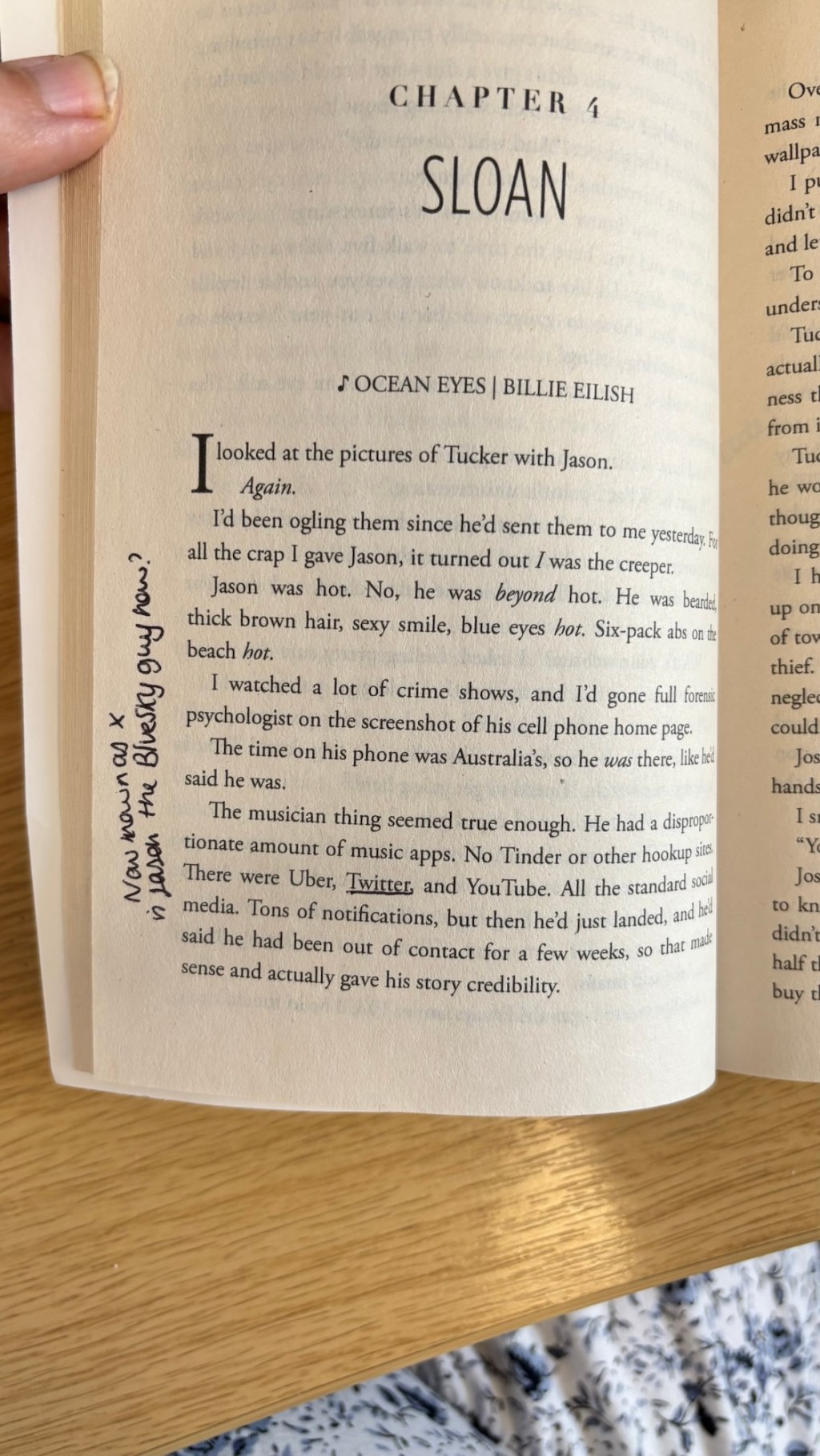
I used to think the same way. For years, I kept my books pristine, only using sticky notes if I absolutely had to. But then I discovered marginalia – the practice of writing, doodling or making notes in your books as you read. And honestly, it changed everything.
Annotating Deepens Your Reading Experience
Writing in a book is like having a conversation with the author – and with yourself. It slows you down and forces you to think deeper. I find myself noticing details and themes I would’ve missed otherwise. Marginalia transforms reading from a passive activity into an active, creative experience.
Each note, each underline, even a random exclamation point – it captures a moment in time. How that book made you feel in that season of your life. It’s like leaving a breadcrumb trail for your future self, or for anyone else who picks up the book after you.
“But What If I Ruin It?”
Let’s be honest – this is the biggest block for most people. You don’t want to “ruin” a book – especially one you love. But here’s the thing: How many books do you own with broken spines, curling pages, fading covers – all because you read them to death?
You’ve probably thought, “I wish I could read this again for the first time.” Well – Marginalia is a way to almost do that. By capturing your first reactions in real time, you’re recording something you can never quite recreate – your living experience of the book.
Writing in the margins isn’t about damaging a book; it’s about honouring your unique response to it. Capturing your initial reaction. Each note, underline or doodle becomes a part of your personal story – a record of how a book touched you, challenged you, or made you think differently.
Marginalia as a Sacred Practice
Annotation is far from a modern invention – it’s a tradition that stretches back centuries, weaving together readers, writers and thinkers across time. In fact, marginalia has long been considered a sacred practice, a way for readers to enter in a personal dialogue with the text and those who came before them.
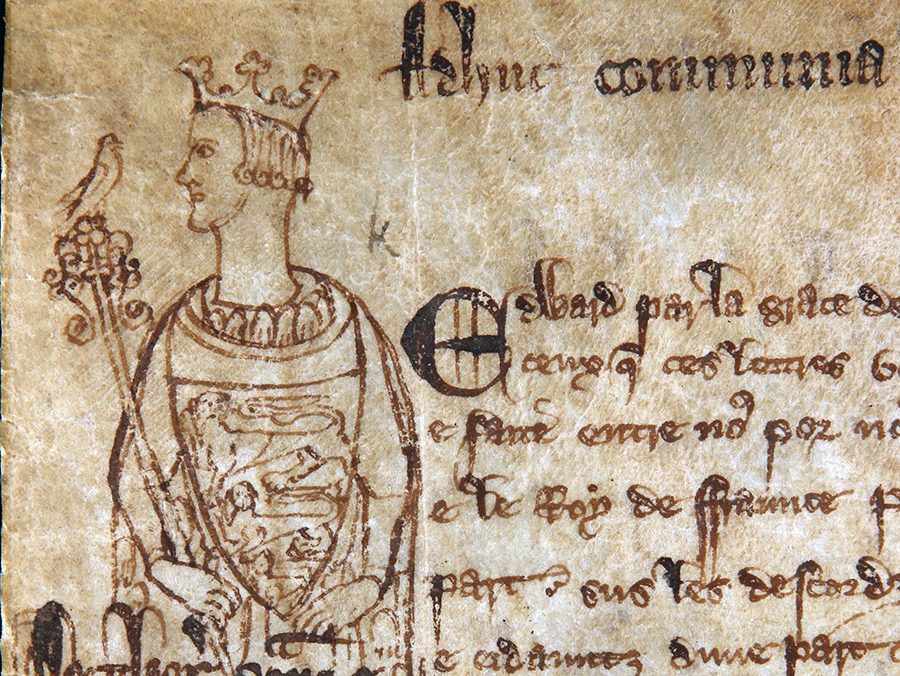
Medieval monks carefully copied manuscripts, adding their own notes and illuminations in the margins – not simply to decorate, but to engage deeply with their material, wrestle with it’s meaning and pass on their reflections to future readers. Renaissance scholars marked up their books to challenges ideas and build on existing knowledge. Even literary giants like Charles Dickens and Virginia Woolf filled their margins with questions and musings.
Of course I understand the fear of “ruining” a book. That’s why I recommend starting small – maybe use a pencil, sticky notes or even a dedicated marginalia journal to jot down your thoughts. The goal isn’t to deface a book, but to honour your unique interaction with it.
My Personal Journey into Marginalia
I started writing in books during a particularly stressful time in my life. It became my quiet rebellion – my way of making each story uniquely mine. I would underline passages that spoke to me, write little questions or even sketch little symbols beside important moments. I remember the first book I annotated – The Fault in Our Stars by John Green.
“Maybe okay will be our always.”
The Fault in Our Stars, John Green
Sixteen-year-old me thought that was the most romantic line.

At first, it felt a little strange and a little scary. But soon, I found myself looking forward to opening my book and seeing what I’d written before. It became a way to connect not only with the authors words, but with my own evolving thoughts and feelings.
A Starter Tool: The Marginalia Box
If you’re curious, and want to try your hand at annotating, my Blind Date with A Book Marginalia Box is a perfect place to start. It includes a book (which may or may not be annotated by yours truly), a pencil, a notebook, sticky tabs and even some inspirational prompts to help you get comfortable with this practice – no stress, just creativity.
Whether you’re writing in your favourite novel, a gift book, or even a borrowed library book (using a separate notebook or protective sticky notes!), marginalia is a personal and playful way to deepen your reading.
Your Turn: Share Your First Annotated Moment
Have you ever written in a book before? Or are you thinking about trying it? I’d love to hear about your first annotated moment – whether it’s a doodle, a question or a favourite quote you underlined. Share your experience in the comments, or tag me on Instagram @thebookgoddessreads
Remember: Your marginalia is your story. Make it as messy, joyful or quiet as you like!
Happy annotating! ✍️📚
Subscribe
Want to receive more cozy bookish content like this?
Subscribe to The Book Goddess blog for updates, behind-the-scenes peeks, and exclusive subscriber extras.
 The Book Goddess Reads
Leave a comment